A typical 1,000 gallon residential septic tank needs pumping every 3 to 5 years, depending on tank size and how many people live in the house. Yakima homes on well and septic systems should track their last pump date and watch for warning signs between visits. Waiting too long costs more than the pump truck.
The 3 to 5 year window is a starting point, not a rule that fits every house. A family of six running two bathrooms will fill a tank faster than a retired couple in the same size home. Garbage disposals push more solids into the tank and shorten the interval too. If you are not sure when your Yakima property was last serviced, that is reason enough to schedule septic pumping service now rather than guess. Some households benefit from setting a reminder tied to tank size rather than a flat number of years. A larger tank buys more time between visits, a smaller one less. Anyone renovating a home with an aging system should read up on septic tank warning signs before the first hard freeze or before a big gathering strains the system past what it handles day to day. Skipping a scheduled pump does not save money, it just moves the cost downstream into a repair bill.
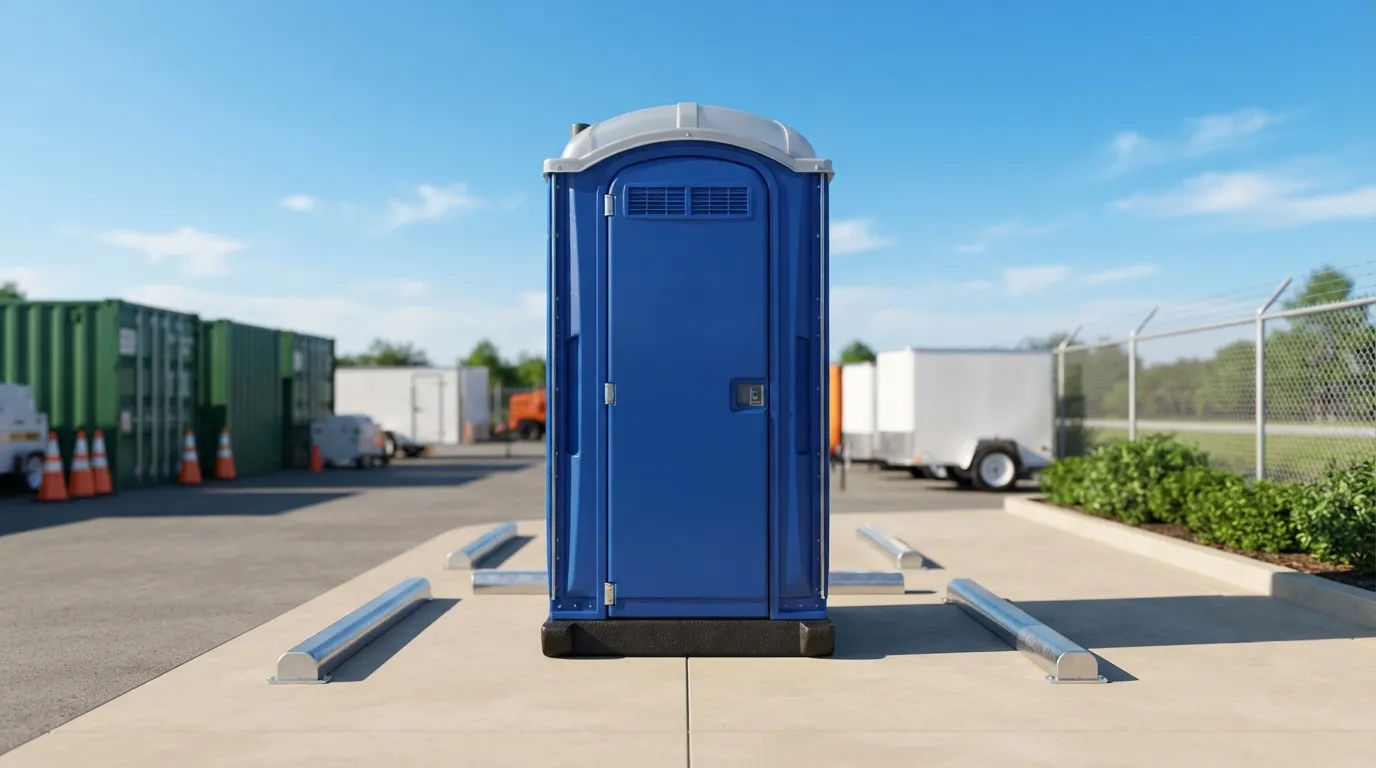
Solids build up until they reach the outlet pipe and start clogging the drain field, and a drain field repair costs far more than a pump-out ever will. Slow drains, gurgling pipes and standing water near the tank are the signs to watch for, and septic tank warning signs covers what those look like in practice. Homes near Selah, about 7.5 miles north of Yakima, and out toward Ahtanum, 5.4 miles southwest, often run older systems that were sized for smaller households decades ago. If your tank has never been pumped, or you inherited a property without records, get ahead of it. For anyone renting a property short-term or managing a construction site without sewer hookup, a holding tank rental or portable toilet rental covers the gap while a system gets inspected or repaired. Restaurants and commercial kitchens face a related but different clock: a grease interceptor needs pumping once fats, oils, grease and solids reach 25 percent of the liquid depth, which is a separate service from residential septic work and covered under grease trap pumping.
Pricing depends on tank access, tank size and whether the job is a standard pump or an emergency call.
| service | duration | low | typical | high |
|---|---|---|---|---|
| septic pumping | day rate | $150 | $250 | $300 |
| septic service | weekend | $50 | $100 | $150 |
Those figures come from measured pricing data across the region, not a fixed quote, and your final cost depends on tank condition and drive distance. For a fuller breakdown, septic tank pumping cost walks through what changes the number. If your tank backs up on a Saturday, emergency septic service covers same-day response, and Yakima Porta Pros treats those calls differently than a routine scheduled pump. Homeowners comparing septic upkeep against other site needs, like a construction project needing a construction dumpster rental or a home remodel needing a home renovation porta potty, should budget these as separate line items since they run on different schedules and different trucks entirely.
Pumping removes liquid and floating scum; cleaning goes further and scrapes accumulated solids from the tank walls and bottom, which matters more for tanks that have gone past the usual 3 to 5 year mark. Septic tank cleaning explains when a full clean makes sense versus a standard pump. Homes in Gleed, 6.5 miles northwest of Yakima, and Terrace Heights, 6.7 miles east, sit on similar soil conditions that affect how fast solids settle, so a technician inspecting your tank locally is worth more than a national average. If you are building on a lot without sewer access, coordinate septic planning with any temporary needs on-site, including a handwashing station rental for crew or a portable sink rental for a work trailer. Under OSHA 1926.51(a)(1), an adequate supply of potable water is required at any place of employment, which matters if your project site relies on a holding tank while septic work is underway.
Slow drains throughout the house, gurgling toilets, or wet soggy patches over the drain field are the clearest signs. Standing water or sewage odor near the tank lid means schedule service immediately. Do not wait for a total backup before calling septic pumping service.
No. Septic pumping requires a vacuum truck and proper disposal, which residential owners do not have access to. Attempting it yourself risks contamination and does not meet the standards a licensed service follows for safe waste handling and disposal.
Yes. A larger household or a garbage disposal in regular use shortens the interval well below the standard 3 to 5 year window. Fewer occupants and a larger tank stretch it out. Track usage and inspect yearly if you are unsure.
A septic tank treats and disperses wastewater on-site through a drain field. A holding tank simply stores waste until it is pumped out, with no treatment or dispersal. See holding tank rental for temporary setups on properties without a working septic system.
Call emergency septic service for same-day response to backups, overflows or drain field failures. Yakima Porta Pros dispatches for urgent calls separately from routine scheduled pumping, since backups need faster turnaround than a planned maintenance visit.
Yes. Yakima Porta Pros delivers how often to pump a septic tank across Yakima and the surrounding metro, with same-day and next-day drop-off available on most orders.
Pricing depends on the unit and how long you need it. See our cost breakdown and request a free quote for an exact figure.
Standard rentals include scheduled service — a pump-out, a clean, a restock and fresh deodorizer. Busy or hot-weather sites can be serviced more often.
Call now or request a free quote — clean units, on-time delivery, transparent pricing.